
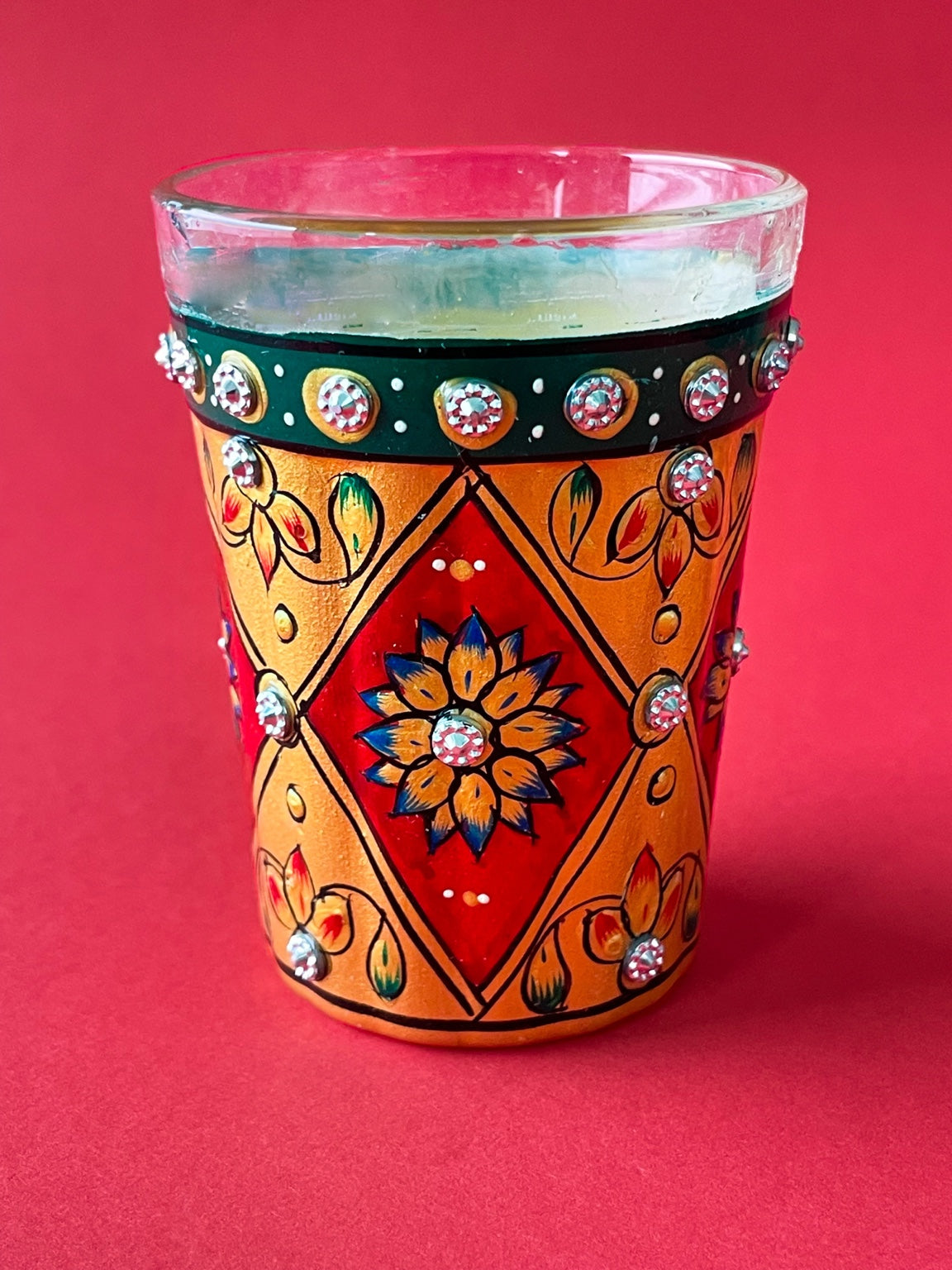
The first cup is the easy one. It is hot, fragrant and new enough that everything arrives at once. The useful cup is often the one after that, when the surprise has gone and the smaller details start making themselves known.
That is the less glamorous side of working on chai. A blend can be immediately delicious and still not be quite right. The question is not only whether the first sip works, but whether the tea still has enough presence halfway down the glass, whether sweetness begins to crowd the spices, and whether one note becomes tiring rather than generous.
When a flavour has to stay in balance
Adrak is a good example. Ginger should be unmistakable, but there is a difference between recognising it and having it flatten everything underneath. The tea still needs room. So do the warmer spice notes around it. What feels bright at the beginning of a cup can feel much louder after several minutes.

Temperature changes things too. Chai softens as it cools, and certain flavours become easier to pick apart once the initial heat has settled. A cup that tastes balanced while piping hot may reveal a little too much sweetness later, or a spice that seemed subtle may suddenly become the thing you notice most.
The boring test is usually the better test
There is a temptation, when developing food or drink, to make every tasting feel important. In practice, repetition is more useful. The same chai on another day, in another cup, when you are no longer concentrating quite so hard, can tell you more than a ceremonial first taste ever could.
That is probably the closest thing we have to a rule: do not decide too quickly. Let the cup become ordinary for a moment. Then taste it again. If it still feels like the chai you wanted to make, you are much closer.
